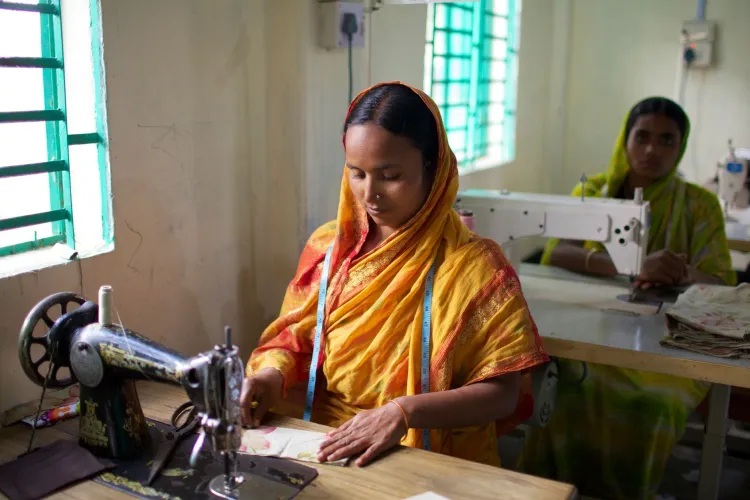
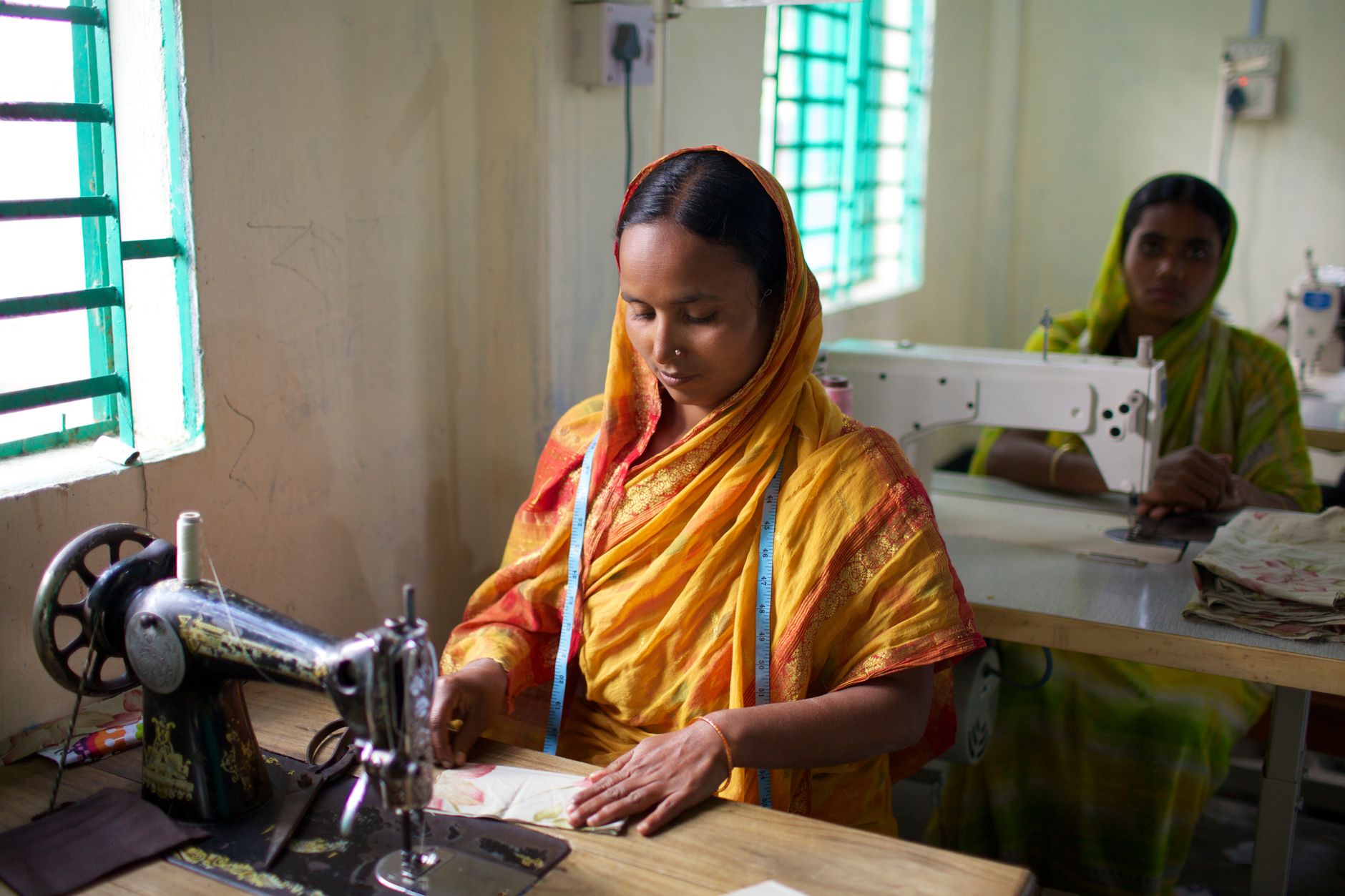
Garment workers in Bangladesh besieged the offices of the Bangladesh Garment Manufacturers and Exporters Association (BGMEA) this week, protesting unpaid wages at a factory that employed around 2,000 workers, according to workers and senior BGMEA officials. The confrontation is the latest flashpoint in a sector that has been shedding jobs steadily through the first half of the year.
An analysis of data from the Industrial Police, BGMEA and the Bangladesh Knitwear Manufacturers and Exporters Association (BKMEA) shows at least 20,000 garment workers lost their jobs through layoffs or retrenchment in the first six months of 2026. Taken together with the wage protests, the numbers point to sustained financial strain across factories that supply some of the world's largest apparel brands.
Why this matters for Indian sourcing
Bangladesh's garment industry has long outcompeted India's on scale and cost, despite India holding the largest cotton acreage and one of the largest spinning bases in the world. A recent industry deep dive noted that India's textile and apparel sector employs around 45 million people directly and earns roughly $37 billion in export revenue annually, yet remains conspicuously under-represented on the labels inside globally sold garments — the value chain from fibre to finished shirt still routes disproportionately through Bangladesh and Vietnam.
Sustained labour unrest and factory-level financial distress in Bangladesh give sourcing heads at global brands fresh reason to diversify supplier bases. India's recent capacity additions are a small but relevant data point: Chhattisgarh's Nava Raipur Textile Park has secured its first garment manufacturing unit, with Swift Textiles committing ₹235 crore and an expected 4,600 jobs, as the state pushes industrial diversification beyond its traditional mining and steel base.
Analysis: the opportunity for Indian exporters is real but not automatic. Extreme heat has already been shown to cut garment factory productivity in India by up to 10%, according to research cited by a University of Warwick economist studying heat's impact on manufacturing performance. For Indian factory owners and production managers eyeing displaced Bangladesh orders, the calculus will hinge on whether cost, compliance and delivery reliability can be sustained through summer months when worker output measurably declines — a factor buyers evaluating alternate sourcing destinations will increasingly weigh alongside labour stability.