Three developments out of Dhaka this week sketch the shape of Bangladesh apparel's next phase — and it looks less like a price race and more like a credibility and speed contest. With LDC graduation removing the old duty-free safety net, industry watchers say the new currency of competitiveness is staying ahead on fundamentals rather than leaning on preferential access that is disappearing from the map.
Textile Today reports that Bangladesh's biggest export question has moved from "what's your price" to "can we trust your data" — buyers are increasingly scrutinising sourcing information itself as a differentiator, not just cost or capacity. Separately, the industry's readymade garment sector is being told its next real challenge in the European Union is not weak demand but the race for supply chain agility, as EU buyers reset expectations around speed and responsiveness rather than volume alone.
These pressures are compounding just as the post-LDC transition looms. With graduation redrawing Bangladesh's and Cambodia's trade map, experts note the test for exporters is staying ahead without the old safety nets — meaning duty-free margins that cushioned price competition will no longer be there to fall back on.
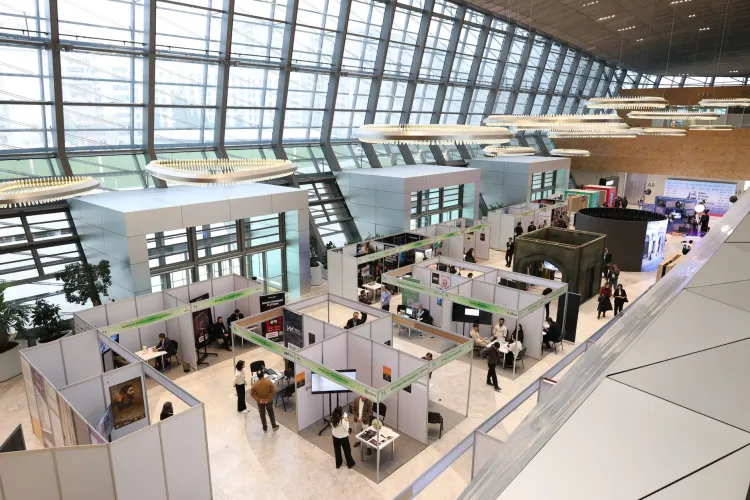
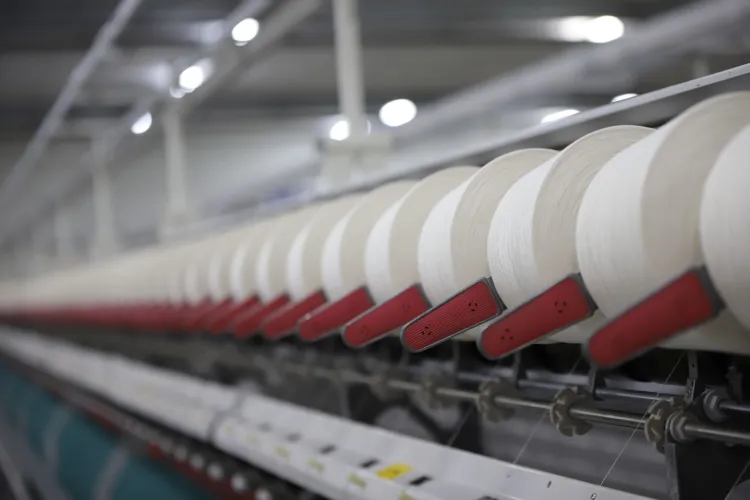
Yet foreign capital isn't backing away. An 11-member Italian business delegation has begun a visit to Bangladesh specifically to explore textile technology cooperation and new business opportunities, signalling that despite the structural headwinds, investors still see the country's textile and apparel base as a partner worth strengthening rather than a market to exit.
What this means for Indian manufacturers
Analysis: Bangladesh's simultaneous squeeze — losing tariff preference while being pushed toward data transparency and faster turnaround — is exactly the gap Indian exporters have been trying to exploit for years, but it cuts both ways. If Bangladesh's mills and factories invest seriously in traceable data systems and shorter EU delivery cycles, they could offset the loss of duty-free status with buyer trust and speed, keeping their share of EU orders. Indian units chasing the same diversification-driven buyers should treat this as a signal to move now on their own data credibility and lead-time performance, rather than assuming Bangladesh's LDC graduation alone will hand over volume. Continued interest from investors like the Italian delegation is also a reminder that technology partnerships, not just labour cost, will decide who captures the next wave of EU sourcing shifts.