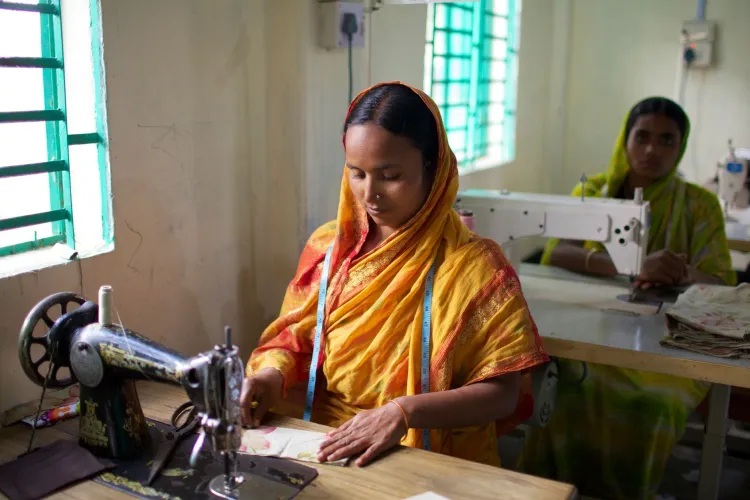
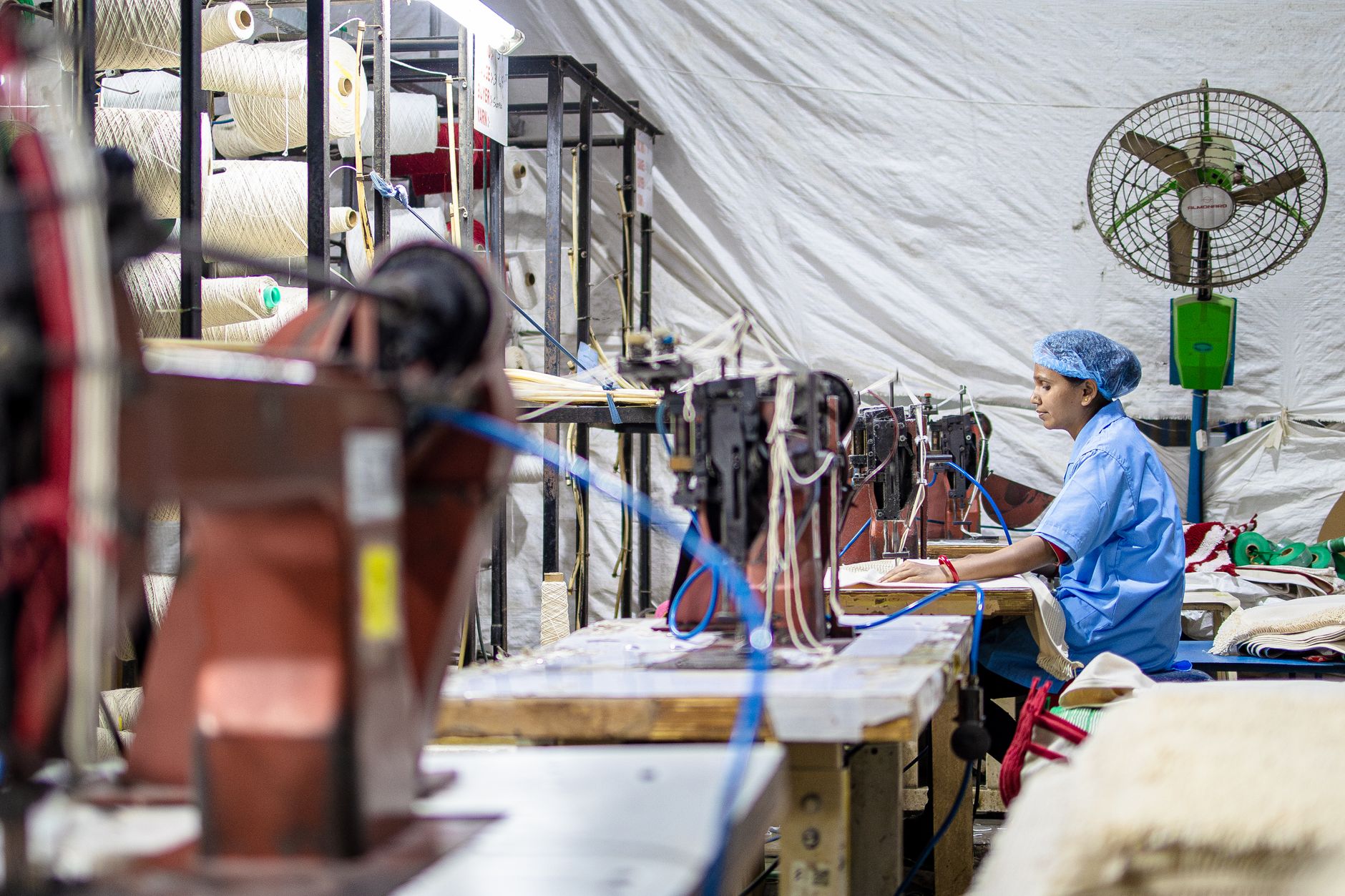
For years, extreme heat in South Asian garment factories was treated as a health-and-safety footnote. That is changing. Reporting on Epic Group's facility in Odisha shows soaring temperatures directly jeopardising worker efficiency and health, prompting the group to introduce cooling technology on its India campus. Employees at the redesigned facility have reported substantial improvements in concentration and comfort compared with conventional shop-floor conditions.
The Odisha case is being cited internationally as global brands sourcing from suppliers to names like Uniqlo and Ralph Lauren begin to confront heat stress as a threat that touches tens of millions of garment workers across Asia — and, critically, erodes productivity on the factory floor. What was once framed purely as a compliance or worker-welfare concern is increasingly being read by buyers as a resilience and output-risk issue: a factory that cannot maintain concentration and comfort through peak summer months is a factory that cannot reliably hit delivery schedules.
Why this matters beyond one campus
The timing is notable. Garment manufacturers globally — whether in India, Bangladesh, Vietnam, Indonesia, Egypt, Turkey, Ethiopia or Central America — are already contending with rising labour costs, tightening compliance requirements and shorter lead times. Heat stress adds a layer on top of that: it is not a one-off cost but a recurring seasonal drag on efficiency that compounds every other pressure on the shop floor.
For Indian exporters, the signal is twofold. First, buyers auditing supply chains are starting to look at climate-readiness — cooling infrastructure, worker comfort data, shift scheduling around peak heat — as part of supplier assessment, alongside the usual compliance and quality metrics. Second, the productivity case is now measurable in the terms factories themselves care about: concentration, comfort and output consistency, not just abstract worker-welfare scores.
What Indian manufacturers should weigh
- Treat cooling and ventilation upgrades as a productivity investment with a payback case, not a discretionary compliance cost.
- Expect buyer questionnaires and audits to increasingly probe heat-management practices, especially for units in hotter regions such as Odisha, Tamil Nadu and Gujarat.
- Factor seasonal heat-linked efficiency dips into production planning and delivery commitments for peak summer months.
Analysis: The Epic Group example suggests early movers on factory cooling may gain a quiet edge in buyer retention as brands formalise heat-risk assessments into their sourcing criteria — a shift Indian manufacturers can get ahead of rather than react to.