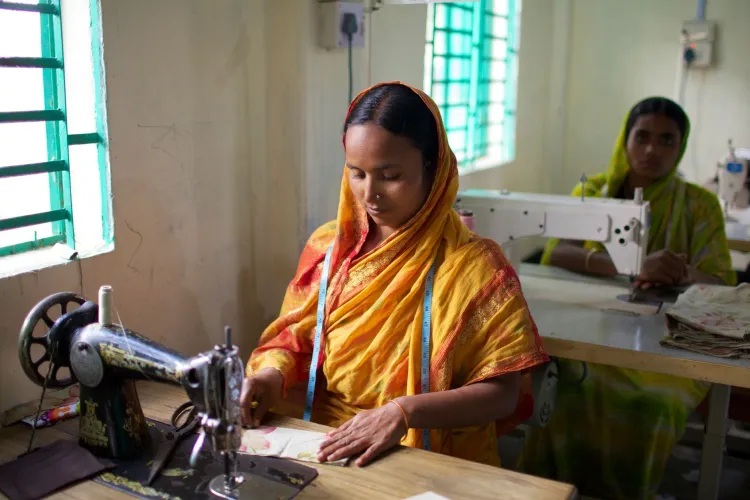
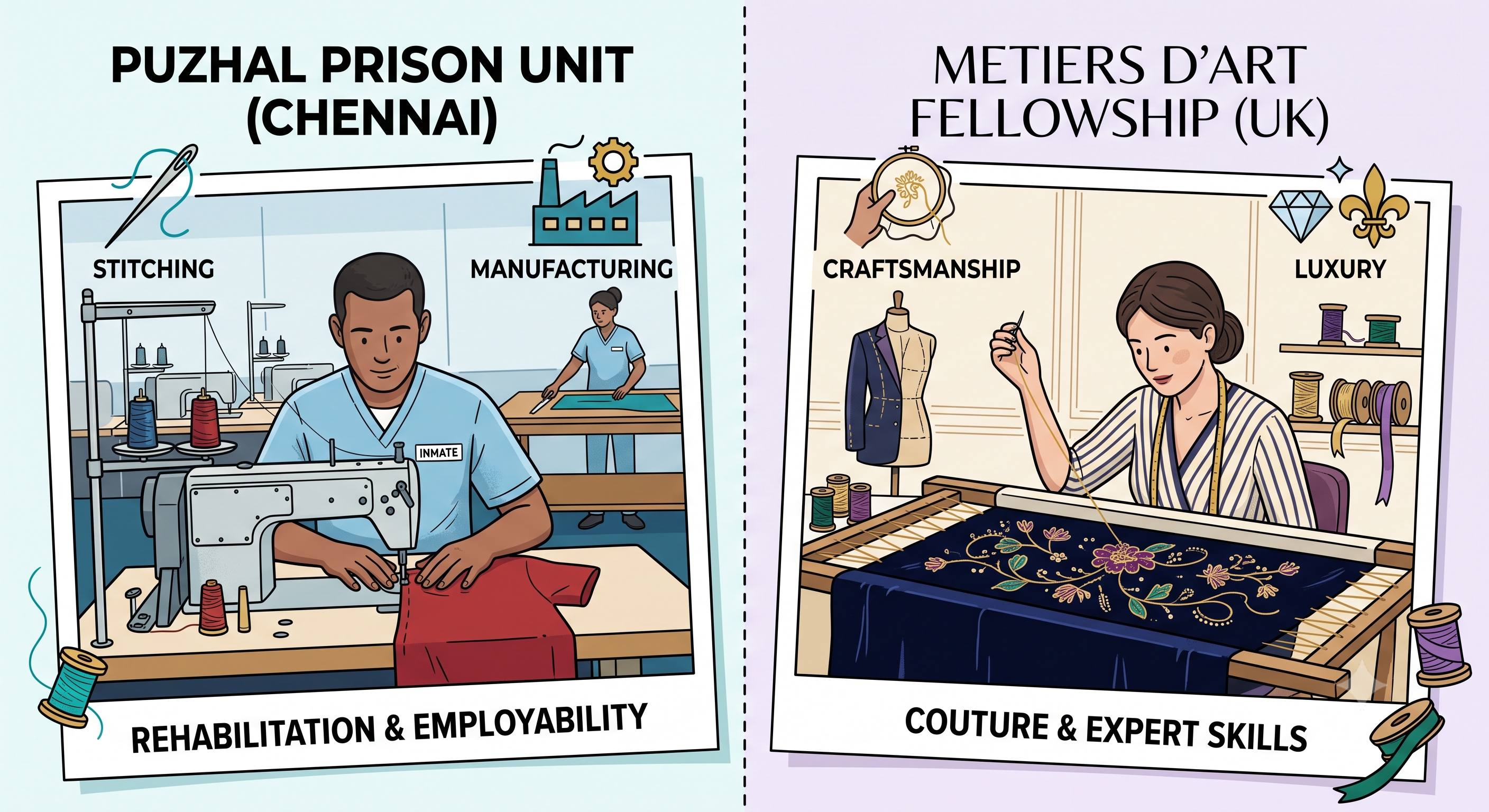
The Tamil Nadu prisons department has inaugurated a T-shirt manufacturing unit inside Central Prison-I, Puzhal, in Chennai, with director-general of prisons and correctional services Sandeep Rai Rathore presiding over the launch. The unit forms part of the state prisons department's rehabilitation and skill development programme for inmates, giving prisoners hands-on training in garment production as a route to employability after release.
A local skills pipeline in a garment hub
Chennai sits at the edge of Tamil Nadu's dense garment and hosiery manufacturing belt, anchored by clusters such as Tiruppur. For factory owners and production managers in the region, initiatives like the Puzhal unit represent an unconventional but tangible addition to the local labour pipeline: inmates trained on stitching lines inside the correctional facility could, in principle, enter the broader garment workforce once released, provided placement and continuity mechanisms exist alongside the training itself.
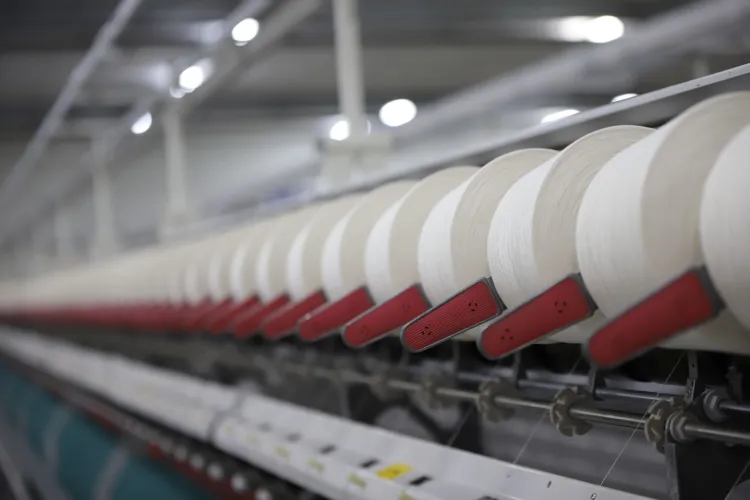
The programme is framed explicitly around rehabilitation, not just production, but its practical effect is the same skill most garment units are chronically short of — operators trained on machines. For an industry that regularly cites operator shortages and high attrition as constraints on scaling output, any credible new source of trained hands is worth watching, even one as unconventional as a prison workshop.
The other end of the skills spectrum
At the opposite end of the garment value chain, applications have opened for the CHANEL, le19M and The King's Foundation Métiers d'Art Atelier Fellowship, according to the UK Fashion & Textile Association. The fellowship is built around expert craftsmanship in the métiers d'art tradition — the specialist embroidery, tailoring and finishing trades that sit at the luxury and couture end of the industry.
Taken together, the two developments underline a theme running across the global garment sector: whether at the level of basic industrial stitching or high-end couture craft, manufacturers and brands alike are actively building structured pathways to develop skilled labour, because neither end of the market can simply assume a ready supply of trained workers. For Indian exporters and factory managers, the practical takeaway from the UK fellowship is more about visibility than direct relevance — it signals continued appetite among European luxury houses to formalise investment in craft skills, a trend Indian ateliers and embroidery units serving export orders should track for potential collaboration or training-exchange opportunities down the line.