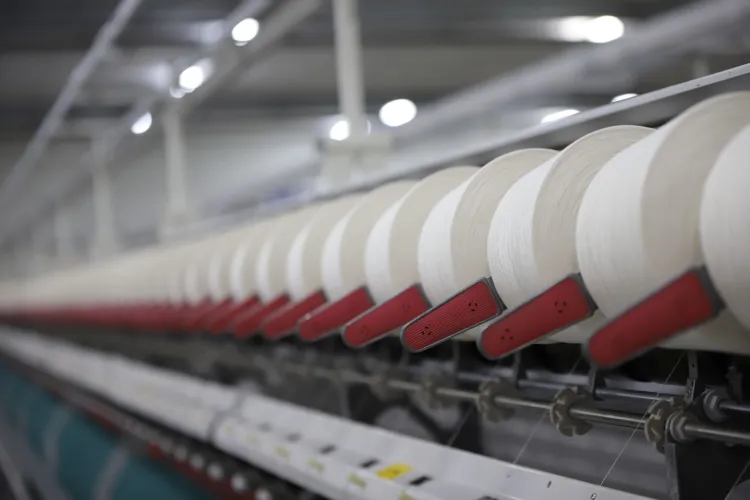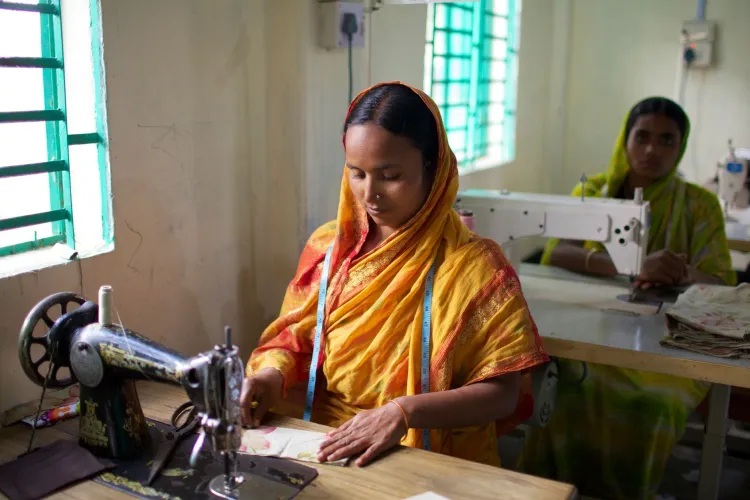
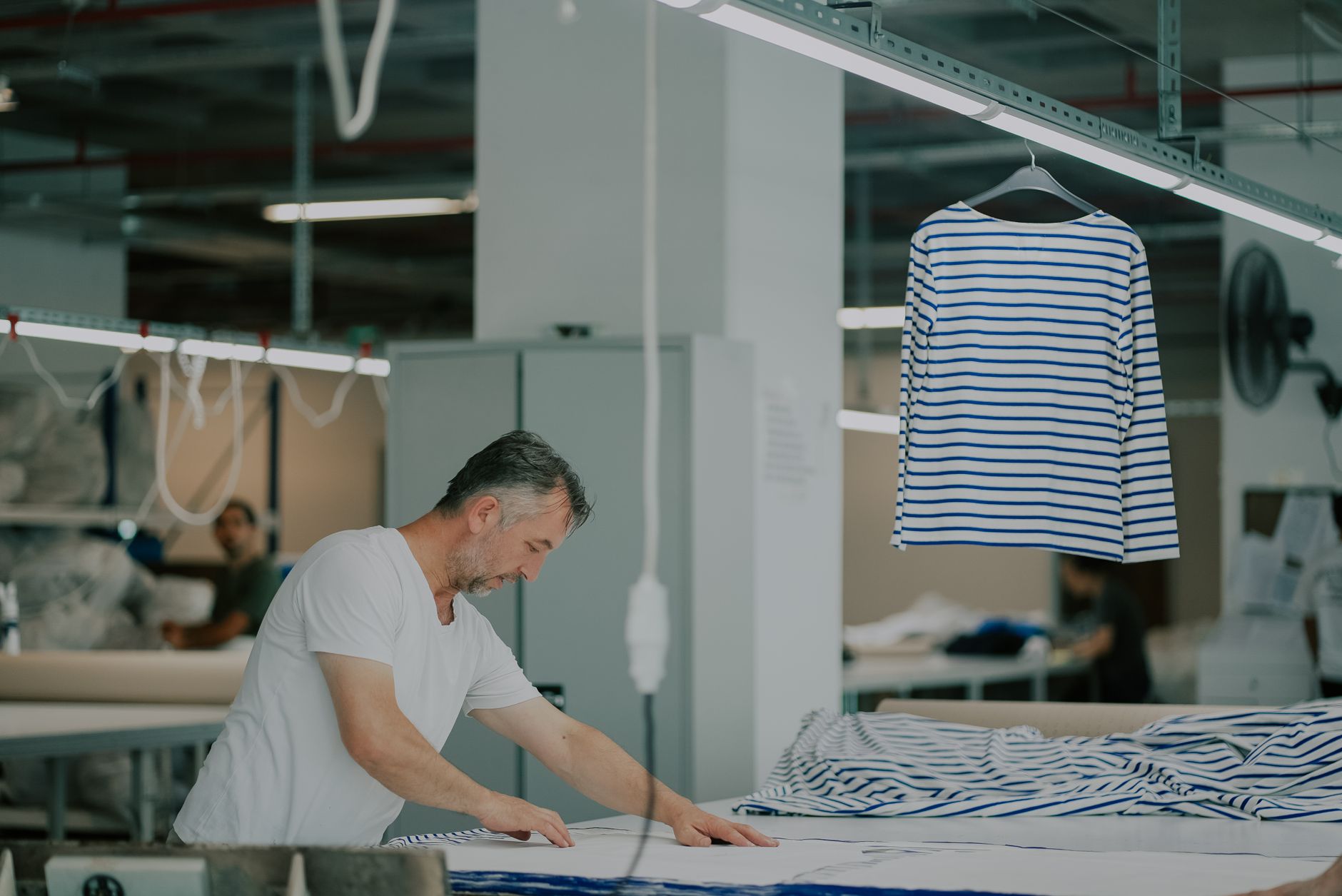
Syria's garment manufacturing industry, once a significant contributor to the national economy and a major source of employment, is under acute strain from what industrialists there describe as a triple burden: a flood of second-hand clothing imports, steep customs duties, and rising production costs. According to industry figures cited in Syrian trade reporting, the combination is squeezing domestic manufacturers out of both local and export markets simultaneously.
Notably, Syrian industrialists are not asking for direct financial bailouts. Instead, they are calling for a full-fledged economic plan — one that minimises production costs, restructures import policies, and actively supports exports — to keep the sector viable. The framing is significant: the ask is structural reform of trade and cost policy, not subsidy, suggesting the industry's leaders see the current crisis as a policy failure rather than a lack of capital.
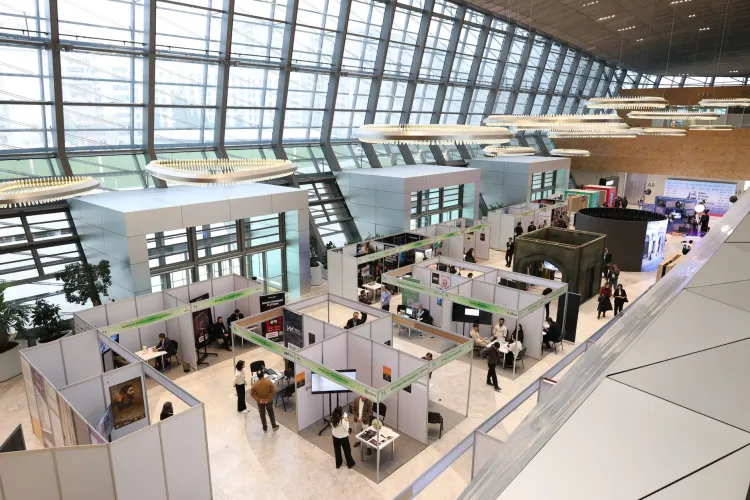
The contrast with events elsewhere in the global garment trade this week is instructive. In the UK, D BADAMI Fashion Connection LLP — an Indian shirting manufacturer — is preparing to showcase its latest woven shirting collections at The London Textile Fair 2026, running July 14-15, represented by Mayur Jain and Yash Jain. Such participation reflects a deliberate push by Indian textile players to build direct relationships with premium international buyers rather than relying solely on intermediaries.
Analysis for Indian manufacturers: These two stories, while unrelated on the surface, point to a broader rebalancing underway in global apparel sourcing. Legacy garment-producing economies facing structural headwinds — whether from import competition, duty regimes, or cost inflation — create both a cautionary tale and an opening. The caution is that unmanaged second-hand clothing inflows and misaligned import-export policy can hollow out even an established manufacturing base with deep employment linkages, as appears to be happening in Syria. The opening is that buyers looking to de-risk sourcing away from unstable origins are more receptive to direct engagement with reliable alternative suppliers — precisely the kind of engagement Indian shirting exporters are pursuing at fairs like TLTF London.
For Indian factory owners and sourcing heads, the takeaway is twofold: first, trade-show presence and direct buyer relationships remain a low-cost, high-leverage way to capture share when competitor geographies falter; second, the Syrian case is a reminder that policy stability around imports, duties and production costs is not a peripheral issue but central to whether a garment industry remains export-viable at all — a lesson equally relevant to domestic policy conversations in India.